One of the first things parents ask when they start looking at military school is some version of the same question: “What is it actually like there?” They’ve heard the reputation. They want to know what a regular day looks like for their son, not the brochure version, but the real one.
It’s a fair question. And the answer tends to surprise people.
The Structure Is the Point
At Hargrave, the military model isn’t a backdrop. It’s the method. Cadets follow a structured daily schedule, meals, classes, athletics, study time, and that consistency does something for them that’s hard to replicate anywhere else. It gives cadets a clear routine and clear expectations, making it easier to stay focused and build good habits.
When a cadet knows what’s expected of him every single day, he stops wasting energy negotiating, avoiding, and getting lost. He starts putting that energy into actually doing something. Small habits like showing up on time, following through, and taking responsibility compound over a semester in ways that genuinely surprise families.
At Hargrave we believe structure yields independence, and it might seem contradictory at first until you watch it happen. Cadets who arrive needing to be reminded of everything leave knowing how to manage themselves. That’s the goal, and it’s a real one.
Academics That Don’t Let Students Hide
Hargrave is a college-prep school with 100% college acceptance, which means every graduate has the opportunity to go on to college. That outcome isn’t built on pressure. It’s built on accountability. Cadets are expected to stay engaged in their classes, complete their work, and ask for help when they need it. If they begin to struggle, someone notices before a poor grade turns into a failing semester.
Small Classes Mean Teachers Actually Know Your Son
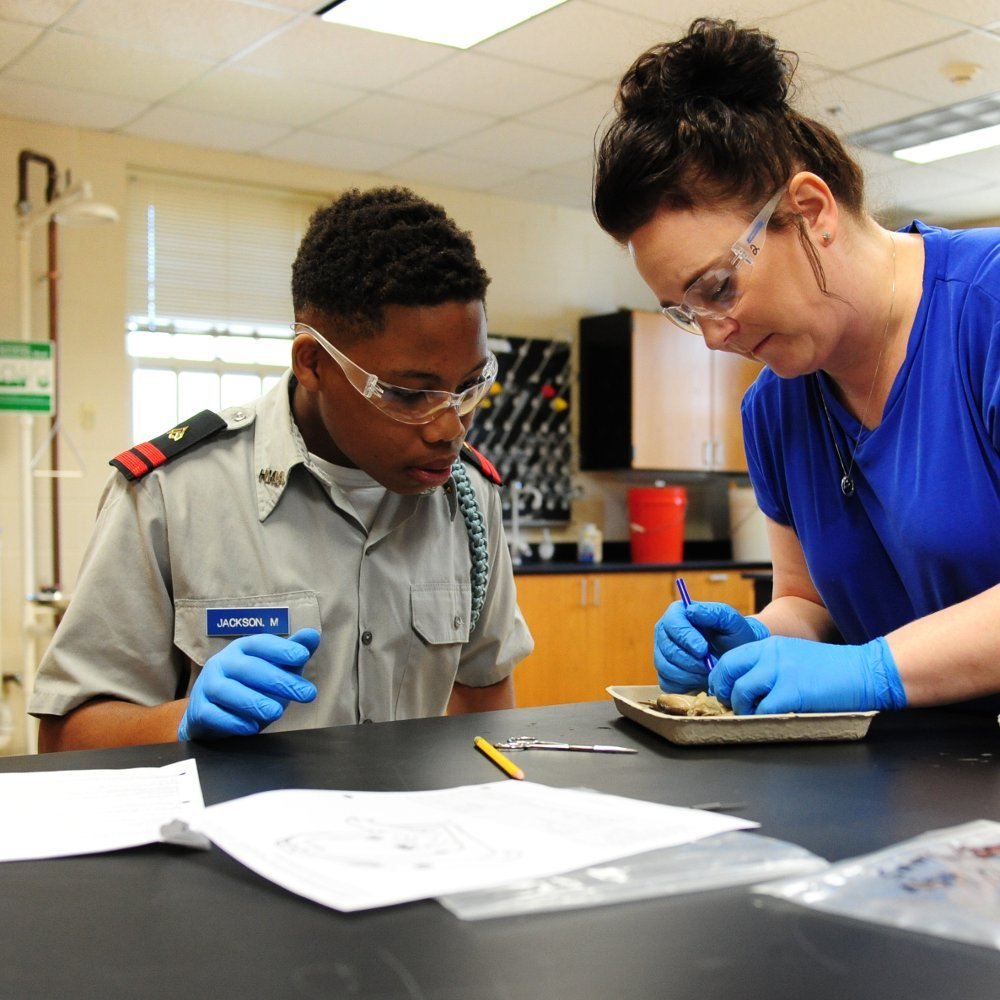
At Hargrave, small class sizes create opportunities for meaningful relationships between cadets and their teachers. Over time, teachers come to understand how each student learns, what motivates him, where he excels, and where he may need additional support.
That familiarity makes it easier to recognize when a cadet needs encouragement, extra guidance, or a greater challenge. Rather than being defined by a grade on a paper, each student is seen as an individual with the potential to grow.
Helping Every Cadet Reach His Potential
The Academic Learning Center exists for exactly the range of students Hargrave serves. Some arrive behind and need to close gaps. Others are strong students who haven’t been pushed enough. The Learning Center handles both.

For cadets who are struggling, the center identifies the root of the problem, whether it’s foundational gaps in a subject, study skills, or a learning difference, and addresses it directly. Tutoring is available from faculty and peers, individually and in groups. Students don’t just get more time on assignments. They learn how to actually study, which is a skill most schools assume students already have.
For cadets who are ahead, the center opens doors to AP courses, dual enrollment with partner colleges, and independent study in areas of genuine interest.
They’re Being Prepared for What Comes After
College placement at Hargrave isn’t a last-minute process. From course selection to SAT prep to the application itself, cadets are guided through every step. They leave not just accepted to college but genuinely ready for it.
Athletics Are Part of the Education
Competitive sport teaches a boy lessons that carry far beyond the field: discipline, teamwork, and resilience. With a wide range of teams and skill levels, every cadet has the opportunity to find his sport, and athletics are considered an important part of each cadet’s development.

Hargrave offers a full range of varsity sports: baseball, basketball, cross country, fencing, football, golf, jiu jitsu, lacrosse, soccer, swimming, tennis, track, and wrestling. What happens on the field mirrors what happens in the classroom and the military program. Cadets learn to show up, do the work, be part of something bigger than themselves, and handle both winning and losing with character.
Coaches at Hargrave function as mentors. Programs are built around daily improvement and a culture of accountability that doesn’t stay on the field. Parents often say that the change they see in their son’s approach to athletics is the same change they start to see everywhere else. Those lessons often stay with cadets long after the season ends.
The Relationships That Shape Young Men
One of the first things families notice when they visit Hargrave is the sense of community. The faculty, military staff, and coaches don’t simply fill roles. They are people who have chosen to invest in the growth and development of young men, and that commitment is reflected in their daily interactions with cadets.
When a cadet is struggling, someone notices. When he reaches a milestone or demonstrates growth, someone notices that too. Those consistent relationships matter because young men are far more likely to grow in an environment where they are known, challenged, supported, and expected to contribute. At Hargrave, accountability is paired with encouragement, helping cadets build confidence while learning to take greater responsibility for themselves.
The peer community is just as important. Living, learning, training, and competing alongside one another creates bonds that develop over time. Cadets encourage each other, hold one another accountable, and share the everyday experiences that become some of the most meaningful parts of life at Hargrave. It’s a brotherhood built through shared purpose, and one that many graduates continue to value long after they leave campus.
Learn More About Hargrave
The best way to understand what makes Hargrave different is to experience it for yourself. Whether you visit campus, attend an admissions event, or connect with the admissions team virtually, you’ll have the opportunity to ask questions, meet the people who make the school unique, and learn what daily life is really like for cadets.
If you’re considering Hargrave for your son, the admissions team is available to help you explore whether it’s the right fit and guide you through the next steps. Reach out to us today to learn more.
Call: 1 (800) 432-2480
Email: admissions@hargrave.edu
Schedule a Visit: hargrave.edu/admission/visit