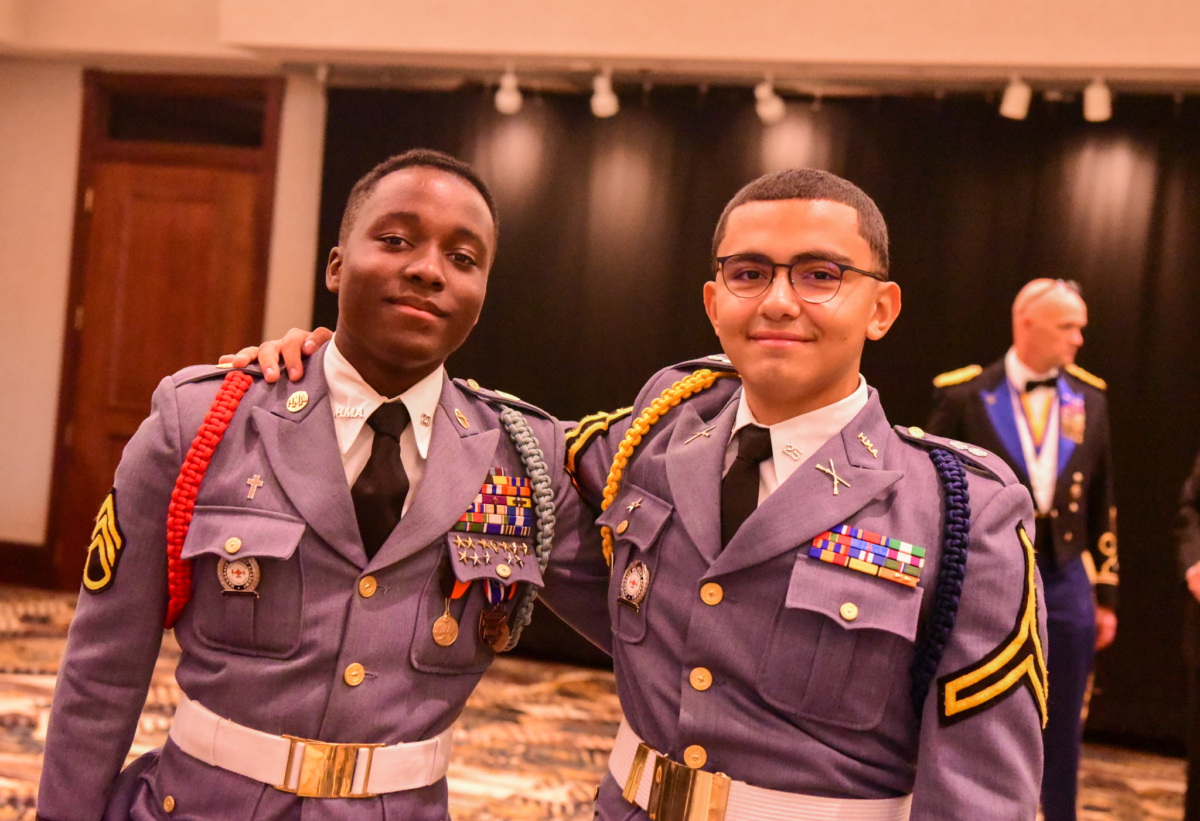
The word brotherhood gets used frequently at Hargrave. It’s not marketing language—it’s the lived reality that defines the cadet experience. Brotherhood means something specific here, something deeper than typical teenage friendships. Understanding this culture helps families recognize what makes Hargrave different.
What Brotherhood Means at Hargrave
Brotherhood at Hargrave refers to bonds formed through shared challenges, mutual respect built through daily interactions, commitment to supporting one another, accountability within the community, and lifelong connections extending beyond graduation.
It’s not automatic friendship. Boys don’t automatically like everyone. Brotherhood means commitment to each other’s success even when relationships are challenging. It means showing up for your brother even when you’d rather not. It means holding each other accountable to high standards.
How Brotherhood Forms
Brotherhood doesn’t happen by accident. Specific experiences create these bonds. Shared hardship during Eye of the Tiger and challenging training creates unity through adversity. Living together in barracks means constant interaction and relationship navigation. Competing together athletically builds trust and teamwork. Working toward common goals academically creates mutual support. Participating in leadership positions together develops respect.
These shared experiences create a foundation. Boys who face challenges together develop bonds that transcend typical school friendships.
The Equalizing Effect
Military structure creates what Hargrave calls an equalizing effect. Everyone wears the same uniform regardless of family wealth. Everyone follows the same rules regardless of background. Everyone earns respect through character and performance. Everyone starts with the same rank and opportunities. Success comes from who you are, not where you’re from.
This equality allows authentic relationships to form. Boys can’t rely on designer clothes, expensive cars, or family connections for social status. They must earn respect through character, work ethic, leadership, and how they treat others.
Living in Close Quarters
Barracks life intensifies relationships. Boys share two-man rooms with roommates carefully paired by administration. They share bathrooms, common areas, and living spaces with company members. They navigate conflicts without parental intervention. They learn to compromise, communicate, and coexist.
Close quarters create friction sometimes. Boys annoy each other. Conflicts arise. But this is where brotherhood gets tested and strengthened. Learning to work through relationship challenges with support from TAC officers and peers builds skills for lifelong relationships.
The Role of Upperclassmen
Upperclassmen play crucial roles in brotherhood development. Seniors and juniors mentor younger cadets, modeling expectations and standards. They provide guidance about navigating Hargrave life. They offer encouragement during difficult moments. They hold younger cadets accountable when needed. They create a culture where younger boys want to measure up.
This mentorship creates vertical bonds across grade levels. Freshmen look up to seniors. Seniors feel responsibility for younger cadets. The entire Corps becomes connected across classes.
Military Structure’s Impact
The military model contributes to brotherhood in specific ways. Chain of command creates interdependence and mutual reliance. Formations require coordination and teamwork. Inspections create shared standards and accountability. Ranks and positions distribute leadership throughout the Corps. Ceremonies and traditions reinforce community identity.
These structures aren’t about conformity—they’re about creating a framework where boys learn to work together, rely on each other, and build something larger than themselves.
Athletics and Brotherhood
Competitive sport is a core part of life at Hargrave, and with a wide range of teams to choose from, every cadet can find his sport. This creates bonds through shared physical challenge, victory and defeat experienced together, supporting teammates during struggles, celebrating individual and team achievements, and learning to put team success above personal glory.
Teams become families within the larger brotherhood. Boys spend hours together practicing, competing, traveling, and pushing each other to improve. Athletic bonds often become the deepest friendships.
Academic Support Within Brotherhood
Brotherhood extends to academics. Study halls create collaborative learning environments. Peer tutoring happens naturally among brothers. Upperclassmen help younger cadets with challenging subjects. Boys celebrate each other’s academic successes. Struggling students receive support from their brothers.
Academic competition exists, but it’s balanced with genuine desire for everyone’s success. Boys want their brothers to make Dean’s List, get into good colleges, and succeed academically.
Character Development Through Brotherhood
Living in brotherhood teaches character lessons that lectures cannot. Boys learn integrity by being held accountable by peers. They learn humility through honest feedback from brothers. They learn sacrifice by putting others’ needs before their own. They learn forgiveness by working through conflicts. They learn loyalty by supporting brothers through difficulties.
Character Across Campus works partly because the entire community reinforces monthly values. When integrity is the theme, boys see it modeled by brothers, discussed in groups, and practiced daily.
The Honor Code’s Role
The Honor Code prohibits lying, cheating, and stealing. This creates a foundation of trust essential for brotherhood. When everyone commits to integrity, authentic relationships become possible. Boys can trust each other’s word. They can leave belongings in common areas. They can work collaboratively without fear of being taken advantage of.
Honor Code violations hurt the brotherhood. They break trust. The Honor Council takes violations seriously precisely because integrity is foundational to community.
Junior Retreat’s Impact
Junior Retreat is specifically designed to deepen brotherhood. Trust walks create physical trust experiences. Letter reading opens hearts through vulnerability. Small group discussions facilitate authentic connection. Bonfire goal-setting creates shared commitment. Tears and emotions break down walls.
Many cadets cite Junior Retreat as the moment brotherhood became real for them. They saw their brothers’ hearts. They shared vulnerability. They committed to supporting each other.
Weekend Life
Weekends deepen brotherhood for boarding students. Closed weekends with mandatory campus activities create shared experiences. Open weekends with optional home visits allow breathing room. Special events like Military Ball bring everyone together. Informal time in barracks builds organic friendships.
Day students can participate in weekend activities but miss the informal bonding that happens during downtime. This is one reason boarding students often form deeper bonds.
Conflict and Growth
Brotherhood doesn’t mean everyone gets along perfectly. Conflicts happen. Boys disagree. Personalities clash. Tensions arise. But Hargrave teaches conflict resolution within the context of brotherhood.
TAC officers help mediate conflicts. The community expects boys to work through differences. Running away isn’t an option when you live together. Boys must learn to communicate, compromise, apologize, and move forward.
Many alumni say learning to navigate conflict within brotherhood prepared them for workplace relationships, marriage, and parenting.
Beyond Graduation
Hargrave brotherhood extends far beyond graduation. Alumni maintain connections through reunions, social media groups, career networking, supporting each other’s businesses, mentoring younger alumni, and life celebrations and challenges.
The Hargrave network is real. Alumni help each other find jobs, make business connections, navigate life challenges, and celebrate successes. Brotherhood becomes a lifelong resource.
For Parents: Understanding Brotherhood
Parents sometimes struggle understanding brotherhood. Your son may talk more about his Hargrave brothers than family during breaks. He may maintain closer contact with Hargrave friends than neighborhood friends. He may plan his schedule around Hargrave reunions and events. This doesn’t mean he loves family less—it means he’s found a brotherhood that shaped his formative years.
Celebrate this. Your son has found young men who challenged him, supported him, held him accountable, and helped him become who he is. These friendships are gifts.
The Difference It Makes
Brotherhood transforms the Hargrave experience. Boys push harder academically because brothers encourage them. They endure tough workouts because brothers are beside them. They maintain integrity because brothers trust them. They develop character because brothers model it. They become men because brothers show them how.
Without brotherhood, Hargrave would just be a school with uniforms and structure. With brotherhood, it becomes a transformative community that develops leaders of character who remain connected for life.
Ready to learn more about the brotherhood that defines Hargrave? Schedule a visit to talk with cadets about their experiences, observe interactions in barracks and dining hall, feel the atmosphere of genuine community, and discover whether your son would thrive in this culture.
Contact us at 866-994-4582 or admissions@hargrave.edu in Chatham, Virginia.